
Leading Waterproofing Products for Reliable Protection
Explore top waterproofing solutions designed to safeguard your structures with durability and ease of application.
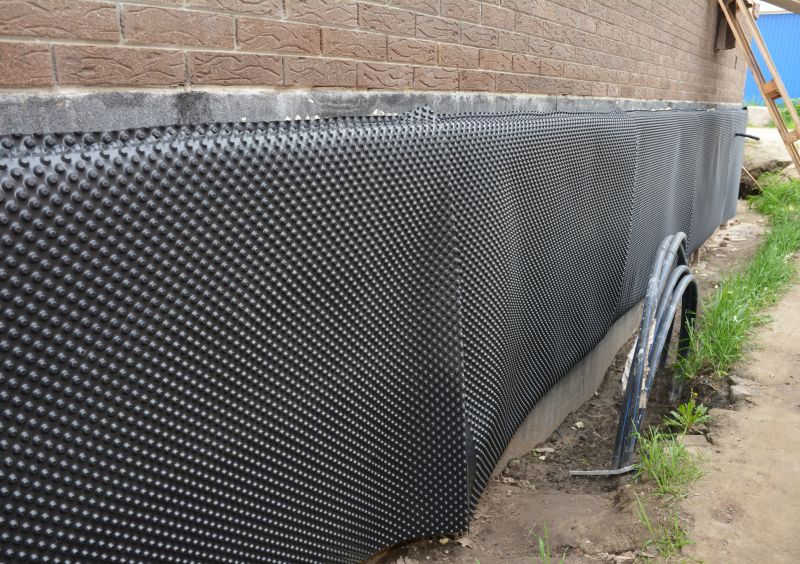 Waterproofing products play a vital role in protecting structures, surfaces, and materials from water intrusion and damage. Whether safeguarding a basement, roof, or foundation, selecting the appropriate waterproofing solution depends on various factors including the type of surface, exposure level, and environmental conditions. These products help prevent issues such as leaks, mold growth, and structural deterioration, thereby extending the lifespan of buildings and outdoor structures.
Top Overall Option
Liquid Waterproof Coating
A versatile liquid waterproof coating provides a seamless, flexible barrier suitable for various surfaces such as roofs, decks, and walls. It is easy to apply with brushes, rollers, or sprayers and dries to form a durable, water-resistant layer that can accommodate slight structural movements. This type of product is often favored for its ease of use and adaptability across different projects.
Types of Products For Waterproofings
Liquid Waterproof Coatings
Applied as a liquid, these coatings create a seamless barrier on various surfaces, ideal for roofs and walls.
Sheet Membranes
Pre-formed sheets or rolls that are adhered to surfaces for durable foundation waterproofing.
Liquid Membranes
Spray or brush-on membranes that form flexible, waterproof layers on roofs and decks.
Bituminous Coatings
Asphalt-based coatings suitable for below-grade and foundation waterproofing applications.
Polyurethane Sealants
Flexible sealants used to seal joints, cracks, and seams against water infiltration.
Cementitious Waterproofing
Waterproofing coatings made from cement and additives, often used on concrete surfaces.
Acrylic Waterproof Coatings
Water-based coatings that provide breathable, flexible waterproof layers for roofs and walls.
Bitumen Sheets
Heavy-duty sheets made from bitumen, ideal for foundation and basement waterproofing.
Rubberized Coatings
Elastomeric coatings that offer high flexibility and waterproofing for roofs and tanks.
Hydrophobic Sealants
Sealants designed to repel water and prevent seepage through small cracks and joints.
Polyurea Coatings
Fast-curing, highly durable coatings suitable for industrial waterproofing and tank linings.
Crack Fillers
Specialized products for filling and sealing cracks to prevent water penetration.
Waterproofing Paints
Paints with waterproofing properties, often used for exterior walls and surfaces.
Joint Sealants
Flexible materials used to seal expansion joints and control joints against water ingress.
Waterproofing Tapes
Self-adhesive tapes for quick sealing of small leaks and cracks.
Popular Choices
Widely used for their versatility and ease of application across various surfaces.
Commonly selected for foundation and basement waterproofing due to their durability.
Popular for below-grade waterproofing, especially in foundation applications.
Often chosen for sealing joints and cracks in concrete and masonry surfaces.
Favored for their breathable and flexible qualities on roofs and walls.
Popular for exterior wall protection and surface sealing.
Commonly used to repair and seal small cracks before applying other waterproofing layers.
Select for their water-repelling properties in small joint applications.
Chosen for their elasticity and suitability for roofs and tanks.
Used in industrial settings for their rapid curing and high durability.
Popular for sealing expansion and control joints in concrete structures.
Different waterproofing materials are designed for specific applications. Liquid waterproof coatings can be applied directly to surfaces to create a seamless barrier, making them suitable for roofs, decks, and walls. Membrane-based products, such as sheet or roll membranes, are often used for foundation waterproofing and below-grade applications due to their durability and ease of installation. Sealants and caulks are ideal for small cracks and joints, providing targeted protection where water might seep through.
Choosing the right waterproofing product involves considering factors like surface compatibility, ease of application, drying time, and longevity. Proper surface preparation is essential to ensure optimal adhesion and effectiveness. Additionally, some products offer flexibility to accommodate structural movement, while others are designed for static surfaces. Regular maintenance and inspection can help identify potential vulnerabilities before water damage occurs.
In Mount Prospect, IL, where seasonal weather variations can challenge building integrity, selecting reliable waterproofing solutions is particularly important. Whether for residential, commercial, or industrial purposes, understanding the range of available products and their specific features can aid in making informed decisions. Consulting with professionals or local suppliers can also provide valuable insights tailored to regional conditions.
Key Buying Considerations
- Determine the specific application and surface type to select the most compatible product.
- Evaluate the exposure level and environmental conditions to choose appropriate waterproofing materials.
- Consider the flexibility and movement accommodation of the product, especially for surfaces prone to expansion or contraction.
- Assess ease of application, including tools required and drying or curing times.
- Check the longevity and durability of the product under local weather conditions.
- Review compatibility with existing materials and surfaces to ensure proper adhesion.
- Identify if the product is suitable for below-grade, above-grade, or interior use.
- Consider the need for additional primers or surface preparation steps before application.
- Evaluate the maintenance requirements and ease of repairs over time.
- Be aware of any safety precautions or ventilation needs during application.
- Determine if the product offers breathable properties to prevent moisture buildup.
- Review the warranty or manufacturer recommendations for best results.
- Compare costs relative to coverage area and expected lifespan.
- Ensure products meet local building codes and regulations.
- Seek professional advice if unsure about the best solution for complex or large-scale projects.